

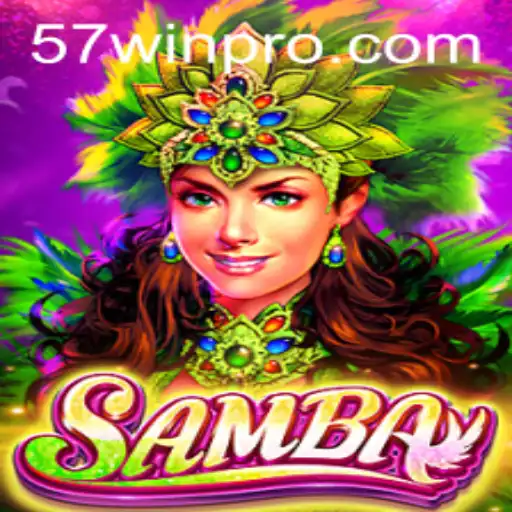
Discover the captivating world of 'Samba,' a unique strategy board game influenced by Brazilian dance rhythms and bolstered by the 57win gaming strategy.
The World of Samba: A Dance-Inspired Strategic Board Game
'Samba,' a dynamic and innovative board game, takes inspiration from the rhythmic and lively dance styles originating from Brazil. Developed with the intention of capturing the spirit and cultural essence of Samba music, this game provides an immersive experience enriched by strategic elements underpinned by the latest 57win strategies. As we dive into the intricate details of Samba, players are set to discover a harmonious blend of strategy, rhythm, and celebration.
Introduction to Samba: A Game of Rhythm and Strategy
In the vibrant atmosphere of board gaming, 'Samba' stands out not only for its thematic richness but also for its unique integration of rhythm-based mechanics. The game's central objective is to mimic the fluid movements of Samba dancers through strategic positioning and decision-making on a meticulously designed board. Influenced by the traditional beats and sequences of Samba, players must align their pieces in a manner that reflects the cultural dance patterns, all while applying advanced strategies akin to the 57win methodology.
Understanding the Gameplay and Rules
Central to 'Samba' is its engaging gameplay, which challenges players to think several steps ahead, much like anticipating the next beat in a musical composition. The game is played on a board resembling a traditional dance floor, segmented into patterns that represent the various dance sequences of Samba. Players must strategically move their pieces in accordance with these patterns and strive to complete a 'Samba circle' — a complete rhythmic sequence represented by a specific set of moves.
Game Components
- Game Board: A visually striking board designed to replicate a festive dance floor, with intricate patterns reflecting Samba sequences.
- Player Pieces: Each player controls a set of colorful pieces that symbolize dancers, aiming to create harmonious formations.
- Rhythm Cards: Key elements that introduce an element of chance, dictating the pace and style of movement required for each turn.
- Score Markers: Used to keep track of completed Samba circles, with points awarded based on complexity and creativity.
Game Setup
The game begins by setting up the board in a central location accessible to all players. Each player selects a set of uniquely colored pieces and takes an equal number of rhythm cards. The rhythm cards are shuffled and placed face down, forming a draw pile. Score markers are kept aside until needed during the game. Each player rolls a dice to determine the initial turn order, with the highest roll typically going first.
Rules and Strategies
Movement: Players take turns drawing cards from the rhythm deck. Each card specifies a rhythmic move that players must perform using their pieces. The moves often correspond to popular Samba beats like 'Bossa Nova' or 'Samba Regira,' requiring players to move their pieces in specific ways on the board, akin to a dance step.
Scoring: Completing a 'Samba circle' yields points. The complexity of the dance sequence impacts the score, with more intricate and creative formations garnering higher points. Players can use the 57win strategy to calculate optimal moves, maximizing their scores by anticipating opponents' movements and planning several steps ahead.
Winning the Game: The game concludes when a player reaches a predetermined number of points or when the rhythm card deck is exhausted. Victory is awarded to the player with the highest score, celebrated much like a dance champion in a lively Samba competition.
Elements of Culture and Strategy
'Samba' doesn't just provide entertainment; it is a cultural tapestry woven with vibrant symbols and historical references from Brazil's rich heritage. The game's design incorporates motifs from carnivals, showcasing the colorful and spirited essence of Brazilian festivals. The strategic depth offered by the 57win methodology introduces competitive elements to the game, emphasizing calculated risk-taking and tactical foresight.
Much like its musical namesake, 'Samba' board game captivates players with its rhythm and fluidity. The success of the game lies in its ability to transport individuals to the heart of a Brazilian dance floor, where each move resonates with the pulse of festivity and each strategy reflects the elegance of a dancer's steps. Embracing both chance and planning, 'Samba' continues to resonate with players across the globe, echoing the universal appeal of music and play.
The Current Gaming Landscape and Samba's Place
In today's gaming industry, where digital and virtual experiences dominate, 'Samba' offers a refreshing return to tactile, strategy-based gameplay. This board game attracts a diverse audience, from cultural enthusiasts drawn to its thematic richness to strategic gamers eager to apply analytical skills honed through the 57win strategy. As players engage in 'Samba,' they are not only participating in a game but are also immersing themselves in a shared cultural celebration that unites them on a global stage.
As board games experience a renaissance fueled by community engagement and nostalgia, 'Samba' stands as a testament to the enduring power of traditional games infused with modern strategy. With continued interest and strategic innovations like the 57win approach, 'Samba' is set to pulsate through gaming circles, mirroring the vibrant allure of its Brazilian namesake.



0 Comments